
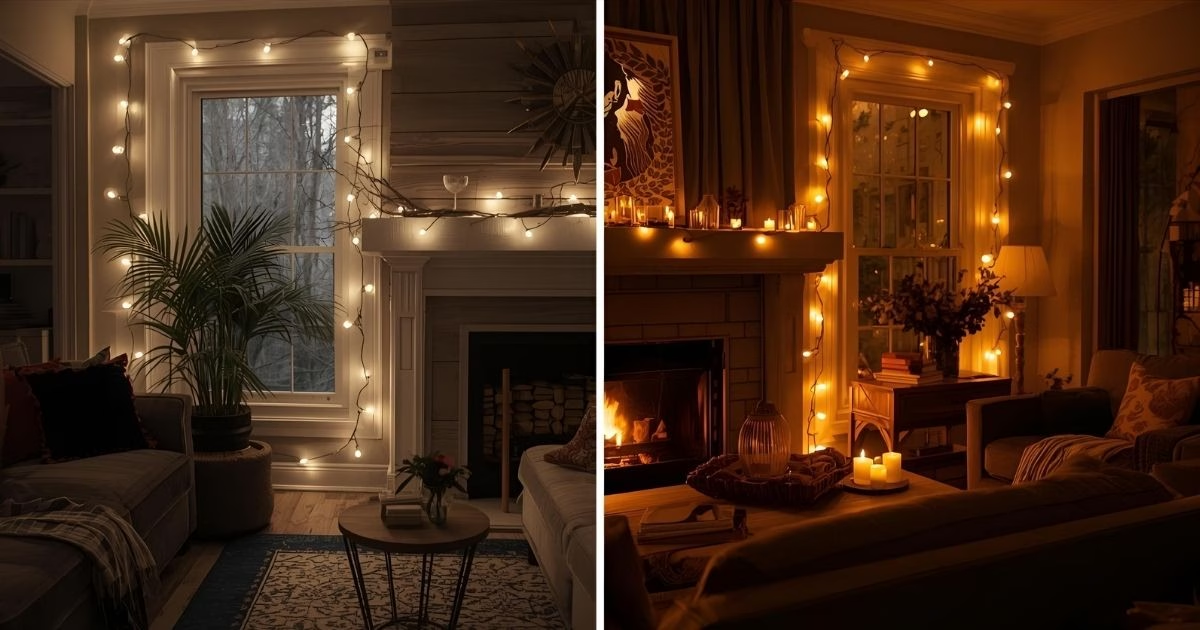
Warm white and amber lights can both make a home feel more comfortable in fall, but they create noticeably different moods.
Warm white lighting is softer than cool white while still keeping colors reasonably natural. Amber lighting is richer, more orange, and closer to the appearance of candlelight or firelight.
For most homes, warm white works better as the everyday base layer and amber works better as a decorative accent.
This guide compares the two so you can decide where each color works best around living rooms, dining spaces, bedrooms, porches, patios, and seasonal fall displays.
What Is Warm White Light?
Warm white light is a soft white tone with a noticeable yellow or golden warmth.
It is commonly used in residential spaces because it feels more relaxed than cool white or daylight-style lighting.
Warm white works especially well around:
- Living rooms
- Bedrooms
- Dining rooms
- Porches
- Entryways
- Restaurants and hospitality spaces
It is warm enough to feel inviting but neutral enough for everyday use.
What Is Amber Light?
Amber light is more orange and golden than warm white.
It creates a stronger decorative effect and is often associated with:
- Candles
- Fireplaces
- Autumn leaves
- Pumpkins
- Lanterns
- Vintage-style decorative bulbs
Because the color is more pronounced, amber can quickly change the atmosphere of a space.
Warm White Looks More Natural
Warm white lighting is usually the better choice when you still need to see colors and objects clearly.
Furniture, food, artwork, skin tones, and interior finishes generally appear more natural under warm white than under strongly amber lighting.
That makes warm white a practical choice for spaces that need to feel cozy without looking heavily themed.
Amber Creates a Stronger Seasonal Mood
Amber is better when atmosphere matters more than visual neutrality.
A small amber lamp or lantern can instantly make an autumn display feel warmer.
It works particularly well beside:
- Pumpkins
- Dried leaves
- Pine cones
- Wooden decorations
- Brown and orange fabrics
- Fall garlands
That stronger color is useful for decorative areas where you do not need bright task lighting.
Warm White Is Better for General Room Lighting
If you are choosing bulbs for the main lamps in a room, warm white is usually more versatile.
It can provide enough comfortable light for:
- Reading
- Conversation
- Dining
- Relaxing
- Watching television
Amber lighting alone may feel too dim or too orange when used as the primary source throughout an entire room.
Amber Is Better for Accent Lighting
Amber works best when it is one layer within a larger lighting setup.
Good uses include:
- Decorative lanterns
- Battery candles
- Seasonal centerpieces
- Mantel lighting
- Window displays
- Small accent lamps
It creates a focal point without changing the color of everything else in the room.
How They Look With Fall Colors
Both colors pair well with traditional autumn tones, but in different ways.
Warm White
Warm white complements:
- Beige
- Brown
- Terracotta
- Olive green
- Rust
- Muted orange
It enhances these colors while keeping them relatively balanced.
Amber
Amber intensifies:
- Orange
- Gold
- Copper
- Red-brown
- Dark wood
This can make seasonal decorations feel richer, but it may reduce color accuracy elsewhere.
Warm White vs Amber in the Living Room
For most living rooms, warm white should be the main color.
Use it in:
- Table lamps
- Floor lamps
- Wall sconces
- Ceiling fixtures
Then add amber in one or two places, such as a decorative lantern or small accent lamp.
This gives you warmth without making the room feel overly orange.
Warm White vs Amber in the Dining Room
Warm white is usually better over the dining table because it keeps food and table settings looking more natural.
Amber works well around the edges of the room.
For example:
- Warm white chandelier or pendant
- Amber battery candles on the table
- Amber accent lights on a buffet
This creates a cozy dinner atmosphere while preserving practical visibility.
Warm White vs Amber in the Bedroom
Bedrooms benefit from softer lighting, so both colors can work.
Warm white is more practical for bedside lamps and general evening use.
Amber is better for:
- Small decorative lamps
- Night lights
- Low-level accent lighting
If you read in bed, warm white usually provides a more usable balance.
Warm White vs Amber on the Porch
Warm white is typically better for the main porch fixture because visitors still need to see steps, door hardware, and house numbers clearly.
Amber can then be used around:
- Lanterns
- Pumpkins
- Seasonal wreaths
- Decorative string lights
This keeps the entrance functional while adding a stronger autumn feel.
Which Is Better for String Lights?
It depends on the mood you want.
Warm white string lights are more versatile and can stay up beyond fall into winter.
Amber string lights feel more seasonal and can work especially well around:
- Patios
- Mantels
- Autumn garlands
- Covered porches
If you want something reusable year-round, warm white is usually the safer choice.
Which Is Better for Lanterns?
Amber often looks especially convincing inside lantern-style fixtures because it resembles candlelight.
Warm white works better when the lantern is also providing meaningful illumination rather than purely decorative light.
Which Is Better for Pumpkins?
Amber is a natural fit for pumpkin displays.
It can make carved or translucent pumpkins appear more like they are lit by a traditional candle.
Warm white still works, especially if you want a cleaner or brighter look.
Which Is Better for Reading?
Warm white is usually the better option.
Amber lighting can feel comfortable, but it may not provide enough clarity for reading unless the fixture is designed to deliver sufficient light.
Use a warm-white reading lamp and reserve amber for nearby decorative accents.
Which Is Better for Outdoor Seating?
Warm white is generally more practical for patios and decks because it provides better visibility.
Amber can be added through lanterns or small table lights.
This gives you both usable light and a seasonal atmosphere.
Can You Mix Warm White and Amber?
Yes. In fact, this is often the best approach.
Use warm white as the foundation and amber as the accent.
A simple combination could be:
- Warm white table lamps
- Warm white porch fixtures
- Amber lanterns
- Amber battery candles
- Amber decorative string lights
The colors are close enough to feel coordinated but different enough to create visual depth.
Don’t Mix Too Many Different Whites
One common problem is mixing very warm amber lighting with cool white or daylight bulbs in the same small area.
The contrast can make the cooler light look harsh and the amber light look unusually orange.
If you want a cozy fall atmosphere, keep nearby general lighting in the warm-white range.
Brightness Matters as Much as Color
A warm color does not automatically create a cozy atmosphere if the fixture is extremely bright.
Lower brightness often contributes just as much to the mood as color temperature.
Dimmers are useful because they let you keep the same bulb while changing the atmosphere throughout the evening.
Use Light at Different Heights
Cozy spaces usually have light coming from more than one level.
For example:
- Ceiling fixture for general light
- Table lamps at eye level
- Amber candles or accent lights lower down
This layered approach creates more depth than simply replacing one overhead bulb with an amber one.
Warm White and Amber for Fall Decorating
If you are decorating specifically for autumn, try this simple arrangement:
- Keep the main room lamps warm white.
- Add amber battery candles around seasonal decorations.
- Use one amber lantern on the entry table.
- Add warm-white string lights around a mantel or shelf.
- Use amber outdoors around pumpkins or a covered porch.
This creates a seasonal feel without making every light source look the same.
Warm White vs Amber: Quick Comparison
| Factor | Warm White | Amber |
|---|---|---|
| General room lighting | Excellent | Usually too decorative |
| Color accuracy | Better | Lower |
| Fall atmosphere | Warm and subtle | Strong and seasonal |
| Reading | Better choice | Best as an accent |
| Lanterns | Good | Excellent |
| Pumpkin displays | Good | Excellent |
| Dining areas | Excellent base light | Good accent |
| Year-round use | Very versatile | More specialized |
When to Choose Warm White
Choose warm white when:
- The light is used every day
- You need practical visibility
- You want a cozy but natural appearance
- The fixture is a main source of room light
- You want lighting that can remain in place year-round
When to Choose Amber
Choose amber when:
- You want a stronger seasonal effect
- The fixture is mostly decorative
- You are lighting pumpkins or lanterns
- You want a candle-like appearance
- You are creating a cozy fall accent area
Common Mistakes to Avoid
Using Amber as the Only Light Source
This can make rooms feel too dark or overly orange.
Using Cool White Nearby
A cool-white ceiling light can overpower warm decorative lighting and reduce the cozy effect.
Ignoring Brightness
An extremely bright warm-white bulb can still feel harsh.
Making Every Fixture the Same
Using slightly different levels and types of warm light creates a more layered result.
Final Thoughts
Warm white and amber are not really competitors. They work best when they have different jobs.
Warm white is the better foundation for everyday lighting because it is comfortable, practical, and versatile. Amber is better for creating a stronger autumn mood around lanterns, pumpkins, seasonal displays, and other decorative areas.
If you are unsure, start with warm white and add small amounts of amber where you want more warmth.
For more seasonal ideas, read our cozy fall lighting guide or browse our Indoor Lighting guides.
One Comment